Performance Standards
Does the product meet or exceed building codes and energy-efficiency ratings for your region? We prioritize materials certified by recognized standards bodies.
The principles and practices behind building a trusted equipment directory
When you're planning a roofing or skylight project, the options can feel overwhelming. Materials vary by climate, cost, durability, and aesthetic. Contractors have their preferences. Building codes have their requirements. You're trying to make a decision that affects both your budget and your home's performance for decades.
That's where systematic evaluation comes in. Rather than being swayed by marketing or limiting yourself to what one supplier recommends, you need a framework for comparing what's available. This is exactly how we've built the Cedar & Tin Directory—by developing clear criteria for evaluating and recommending equipment.
Four core factors shape every recommendation
Does the product meet or exceed building codes and energy-efficiency ratings for your region? We prioritize materials certified by recognized standards bodies.
How long will it perform? Legitimate warranties tell you a lot. We favor products with transparent, comprehensive coverage that reflects real-world use.
Quality materials only matter if installation is done right. We recommend equipment that works well with best-practice installation methods, not against them.
Cost varies dramatically based on material type, project scope, and your location. Here's what the market typically shows:
| Equipment Type | Material Cost Range | Installation Complexity |
|---|---|---|
| Standard Roof Shingles (asphalt) | $1.50–$3.50/sq. ft. | Moderate |
| Metal Roofing | $7–$12/sq. ft. | Moderate to Complex |
| Skylight Installation (standard vinyl) | $300–$1,500 per unit | Complex |
| Premium Skylights (motorized, ENERGY STAR) | $1,500–$3,500 per unit | Complex |
| Gutter Systems (5" aluminum) | $3–$8 per linear foot | Moderate |
| Note: Costs vary by region, supplier, and project-specific requirements. Always get multiple quotes before committing. | ||
Making a good equipment choice follows a logical sequence. Start with your constraints, then move through evaluation, then verification.
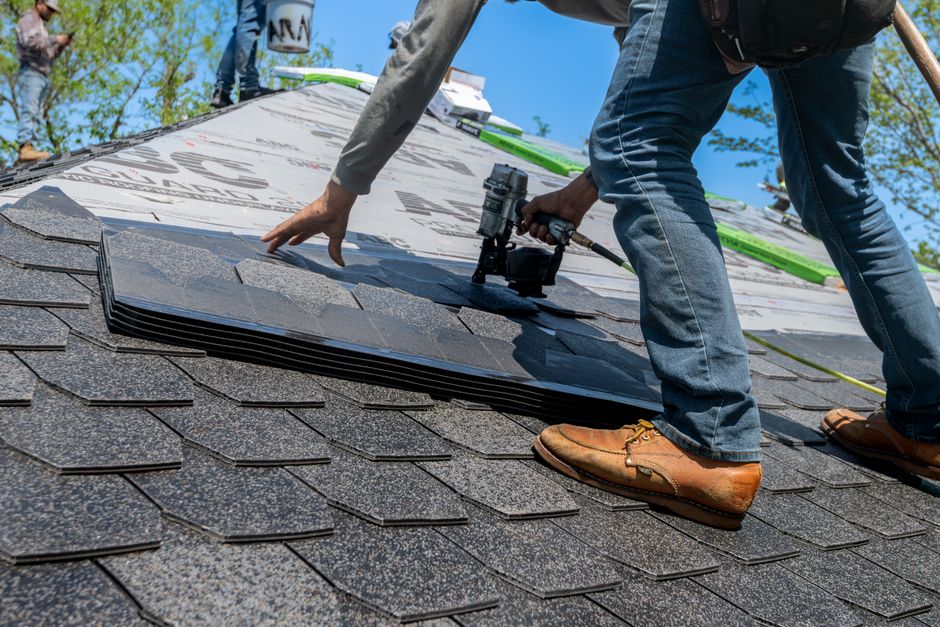
Use these questions as your checklist before signing any contract or making a purchase:
Climate matters. What works in Arizona may not work in New England. Verify that your chosen material meets requirements for your specific region's temperature swings, wind load, snow load, and moisture exposure.
Many warranties only cover the product itself, not the cost of having it installed or replaced. A material warranty is far less useful if you're responsible for 100% of labor costs for repairs.
Reputable manufacturers often require certified installation or have inspector programs. If a contractor doesn't want a factory representative on-site to verify work, that's a red flag.
Some materials need regular maintenance (metal roofs need touch-ups, gutters need cleaning). Others are lower maintenance. Know what you're signing up for.
Not generic testimonials—actual past clients who had this exact material installed. Ask to see their work and talk to people who've had it for at least five years.
People choose equipment based on the lowest upfront price and then wonder why it fails in seven years instead of twenty. The cheapest option rarely accounts for actual climate exposure, installation best practices, or meaningful warranty coverage. You're buying regret, not equipment.
Cedar & Tin Directory Editorial Team
The real cost of equipment includes material, installation, and longevity. A material that costs 20% more but lasts 50% longer isn't more expensive—it's better economics. That's what we focus on when recommending products: total cost of ownership, not just the sticker price.
Browse our full range of reviewed equipment and suppliers, or get in touch with specific questions about what's right for your project.